Key Takeaways
- android sms gateway for ecommerce is transactional SMS from your own SIM: OTP, stock, shipping — not a rented “brand sender” unless you also buy that elsewhere.
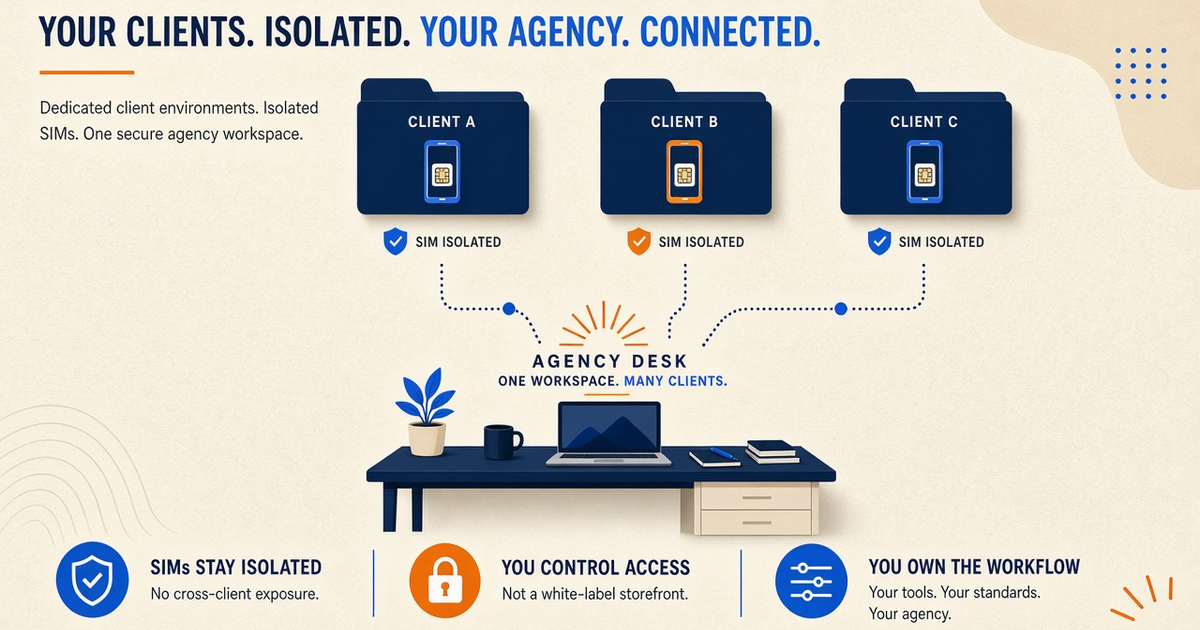
- Split login OTP from shipping alerts on device pools so a sale blast cannot queue-block checkout.
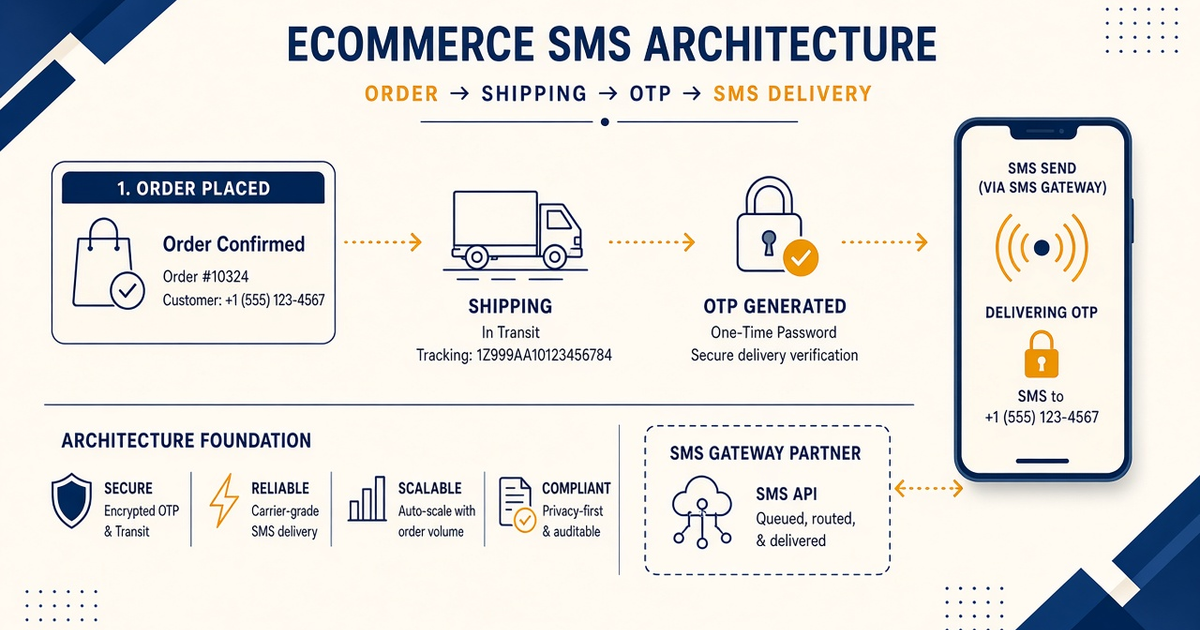
- Store webhooks (Shopify/Woo) should hit your backend, then the gateway — not the phone directly.
- Tracking links on a domain you own; public shorteners look like parcel scams.
- Priced by devices and SMS send volume. You use your own phone and operator SMS credit. Flash-sale retries still burn operator airtime.
- Consent for promo is not implied by an order. STOP on marketing; keep transactional lean.
Shops search android sms gateway for ecommerce when aggregator rates hurt and customers already save a local mobile number. The last mile is still a SIM. This hub A spoke is the store architecture — not a rewrite of transactional SMS or OTP.
Priced by devices and SMS send volume. You use your own phone and operator SMS credit.
If the shipping SMS looks like a phishing kit, the parcel can be real and the customer will still not tap it.
Ecommerce SMS lanes
- Checkout / login OTP — dedicated device, boring template, no sale footer.
- Order and shipping — order id first, your domain for tracking.
- Abandoned checkout — only with consent; treat as promo-adjacent.
- Campaigns — other SIM, STOP, pace. Never the OTP tray.
Event table (order to delivered)
| Store event | SMS job | Device pool | Failure if mixed |
|---|---|---|---|
| Login / checkout OTP | Code + expiry | OTP SIM | Sale queue delays checkout |
| Order confirmed | Order id, no password | Transactional | Looks like a blast if shouty |
| Fulfilled / shipped | Carrier + your track URL | Transactional | bit.ly → spam apps |
| Out for delivery | Optional short ping | Transactional | Too many pings → mute |
| Flash sale | Consented list + STOP | Promo SIM | Burns OTP reputation |
Checkout OTP vs shipping SMS
Peak sale hour is when both fire. Isolate devices. Idempotency on OTP so a webhook retry does not send two codes. Shipping can be slower; OTP cannot. See the API troubleshooting guide when HTTP 200 is not a delivered parcel text.
Store webhooks to the gateway
Shopify/Woo should call your app. Your app calls the SMS API with a message you composed. Putting the store webhook URL on the phone skips auth, templating, and idempotency. Platform docs for store events: Shopify webhooks. Live SMS fields: SMS API documentation.
Copy that does not look like fraud
Brand the shop name the customer already saw at checkout. Order id first. Your domain. No “FREE gift inside.” See spammy wording. Parcel-scam templates are why operators filter shipping SMS.
Peak hour and extra handsets
Black Friday is peak messages per hour, not monthly average. Add phones before the sale. Dual SIM is not two failure domains. Platform volume on paid plans is a separate meter from operator fair-use. Free 300 SMS lifetime will not cover a flash sale — and should not.
Promo lists: contacts + STOP. Reports: campaign reports.
Checklist
- OTP device isolated; shipping device named.
- Store webhooks terminate on your backend.
- Idempotency on order id + event type.
- Tracking URLs on your domain.
- Promo consent ≠ order placed.
- Peak-hour device count planned; spare charged.
- Live send fields checked in docs.
Next steps
Wire one fulfilled-order canary, then OTP on a second phone. Budget on pricing. Ecommerce SMS is a radio next to the warehouse charger, not a theme-store plugin.
Related product pages
Jump to the live product docs for this topic—not another long-form article.
- device and SMS volume pricingPlans and allowances
- Android SMS gateway product guideDefinition, product, and how to buy
- SMS API documentationLive endpoint reference
- download the Android gateway appGet the APK