Key Takeaways
- Split reservation confirmations, waitlist pings, and staff OTP onto named device pools.
- Dinner rush is a radio event. Pace waitlist SMS; do not dump the list when a table frees.
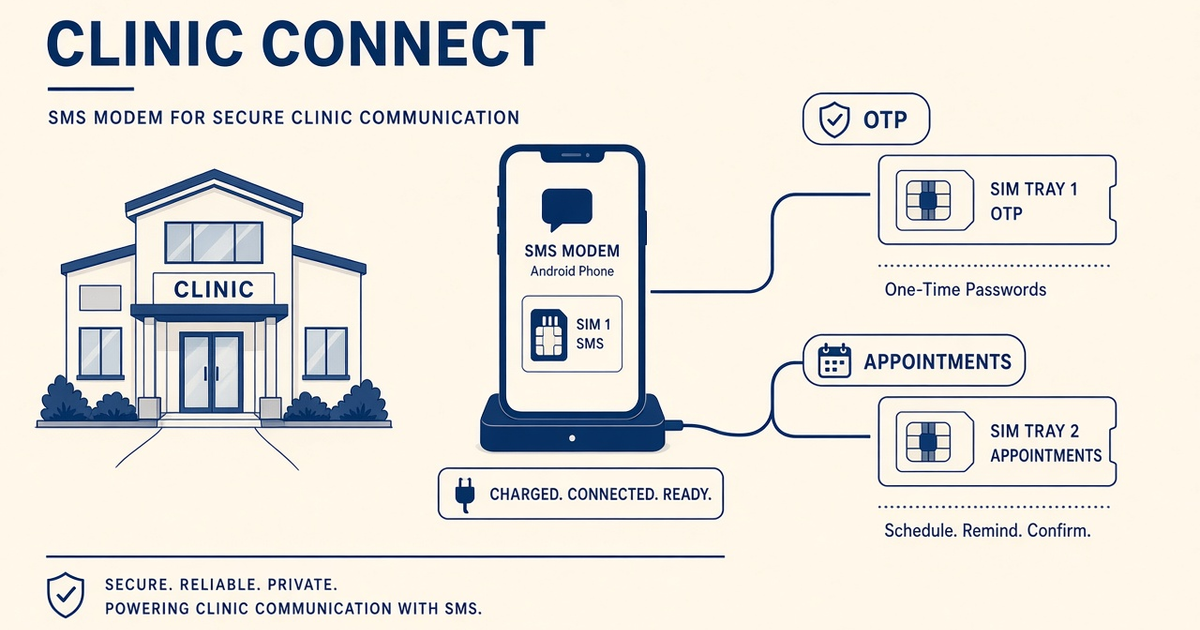
- Dual-SIM can hold prepaid vs postpaid; Doze still kills both trays on one chassis.
- STOP on marketing (lunch specials). Reservation transactional copy still needs counsel.
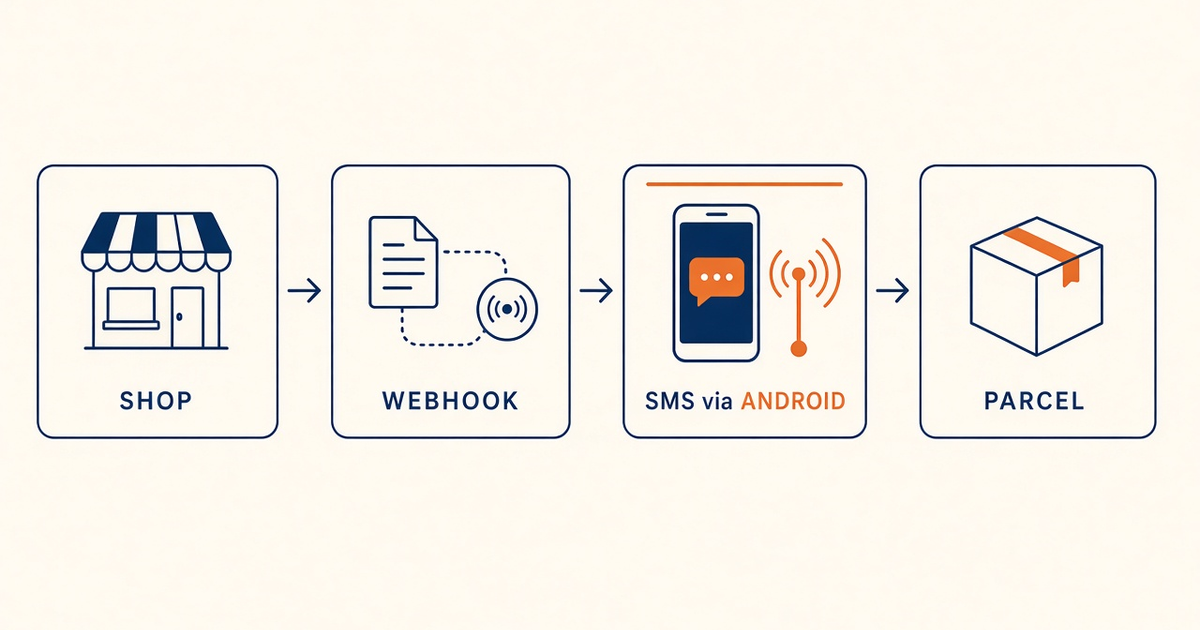
- A POS integration is HTTPS to your backend, then the gateway — not a fake restaurant SDK.
- BYO phone and operator credit. We meter devices and send volume.
Summary
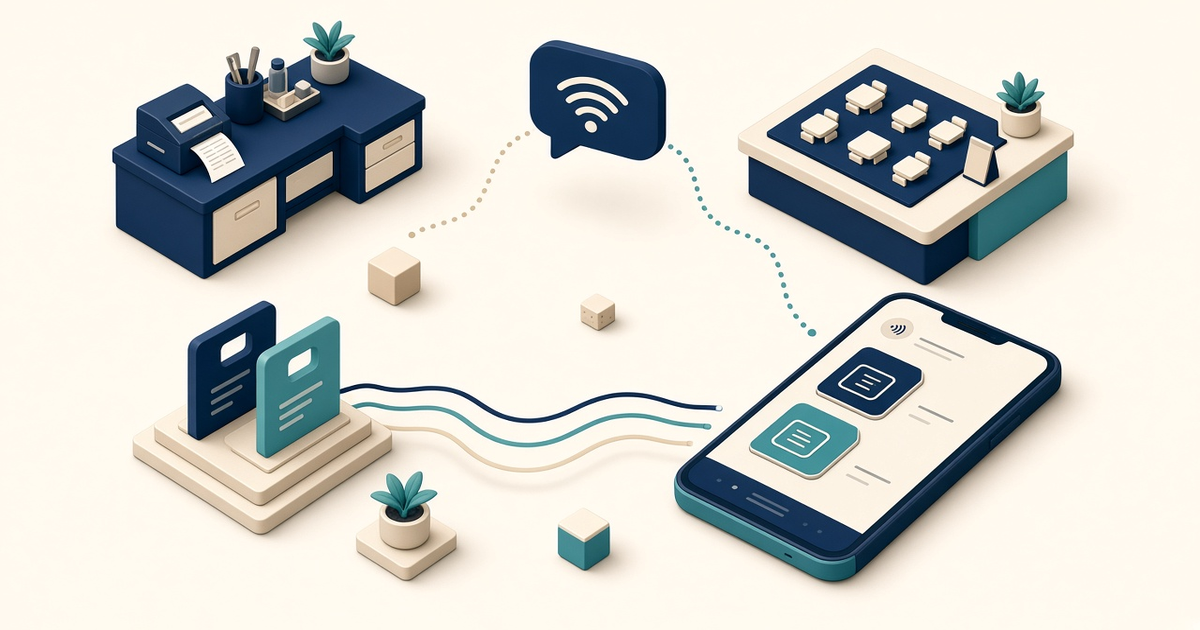
Restaurant SMS architecture on an Android gateway is lane design: reservation confirms, waitlist “your table is ready,” staff/portal OTP, and optional promo. Each lane needs a device or a proven slot, a template owner, and a last-seen SLO through service. Dinner rush will otherwise enqueue waitlist pings in front of the code that opens the booking app.
BYO phone and operator credit. Devices plus send volume — pricing.
If the pass phone is on a random USB that sleeps, architecture diagrams will not save Saturday.
Kitchen, floor, bookings
Search intent for android sms gateway for restaurants is usually “text them when the table is ready” plus cost versus aggregators. Two-way replies (“running 10 min”) need the same MSISDN awake — two-way inbox. Auto-reply STOP on promo — STOP keywords.
Context
Radio reality: OEM sleep in a hot kitchen, prepaid empty mid-service, dual-SIM data-only. Scheduled reminders: scheduled SMS. Live fields: SMS API documentation. PHP samples are HTTPS JSON, not a restaurant SDK — PHP samples.
Architecture
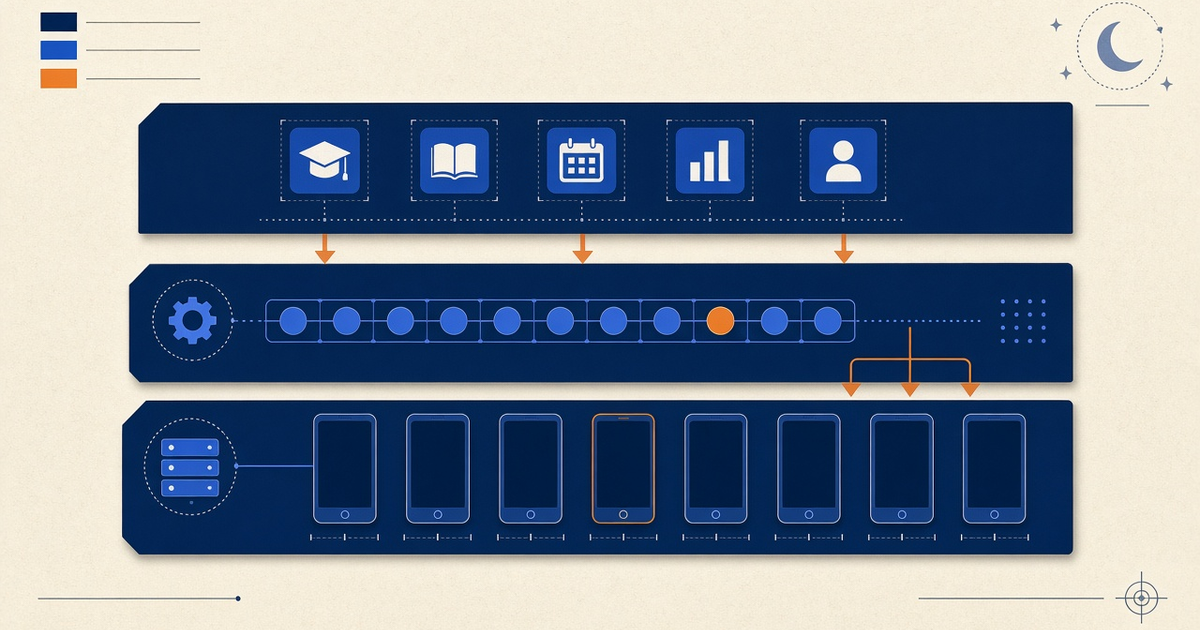
- Named phones:
res-confirm,waitlist,otp-portal. - Backend owns POS/booking webhooks; gateway only sends.
- Pace waitlist; one ping per party, idempotent on table-id.
- Last-seen alert before doors. Spare on charge in the office, not the fryer shelf.
Dual-SIM overview: dual SIM routing.
Lane table
| Lane | Device | Idempotency key |
|---|---|---|
| Reservation confirm | res-confirm | booking id |
| Waitlist ready | waitlist or slot 2 | party id + table wave |
| Portal / staff OTP | otp-portal | login attempt id |
| Lunch specials | promo (STOP on) | campaign + MSISDN |
Cost and ownership
Waitlist retries burn airtime and annoy guests. Name who tops up. Free 300 lifetime is a trial, not a weekend book.
Operations
OEM exemptions, labeled charger, operator UX on a greasy screen — operator UX. Pair setup.
Consent
STOP on promo. Minimize PII in waitlist texts. Redact in tickets. Keys on the booking server, not a host’s phone notes.
When this architecture holds
When you can staff a charged phone through service and isolate OTP. Use CPaaS if you cannot host hardware. Hybrid is fine: local SIM for waitlist, aggregator for other countries.
Checklist
- Three nicknames taped to chassis.
- OTP off waitlist radio.
- Idempotent waitlist pings.
- Last-seen before doors.
- Spare charged.
- STOP on promo.
- Airtime owner.
- Timezone = restaurant.
- Official APK.
- Developer Center for live fields.
Next steps
Two-way inbox, OTP OTP, product Android SMS gateway.
Deep dive: production hardening
Saturday is the load test. Re-canary after OEM updates. Photograph the charging pass. Dual-SIM: canary both trays after a SIM swap at the host stand.
Deep dive: scaling and failure modes
Multi-location: device per site or honest routing. Failures: shared OTP radio, sleeping USB, prepaid empty, waitlist storms. Starter, Professional, and Business list Unlimited SMS as platform send volume; that is not unmetered carrier SMS.
Deep dive: integration discipline
Persist gateway ids on the cover. Replay-safe webhooks. Developer Center owns schemas. You bring the Android phone and operator SMS credit.
Related product pages
Jump to the live product docs for this topic—not another long-form article.
- SMS API documentationLive endpoint reference
- device and SMS volume pricingPlans and allowances
- Android SMS gateway product guideDefinition, product, and how to buy
- download the Android gateway appGet the APK