
Key Takeaways
- android sms gateway api for bulk sms is a queue into your SIMs — not a cloud SMS credit firehose.
- Several numbers in to[] on POST /messages, or POST /campaigns for contact lists. Panel CSV is a third lane, not a fake /api/send-bulk-sms.
- Pace to OEM ceilings and carrier fair-use. Faster HTTP loops only burn airtime on retries.
- Consent and STOP are yours. The API will transmit what you ask; filters and fines still land on the sender.
- Priced by devices and SMS send volume. You use your own phone and operator SMS credit. Spreadsheet campaigns still count toward device meters and send volume.
- Prove the path with a 10-row canary. Free is 300 SMS lifetime — not a blast pack.
What “bulk” means on this API
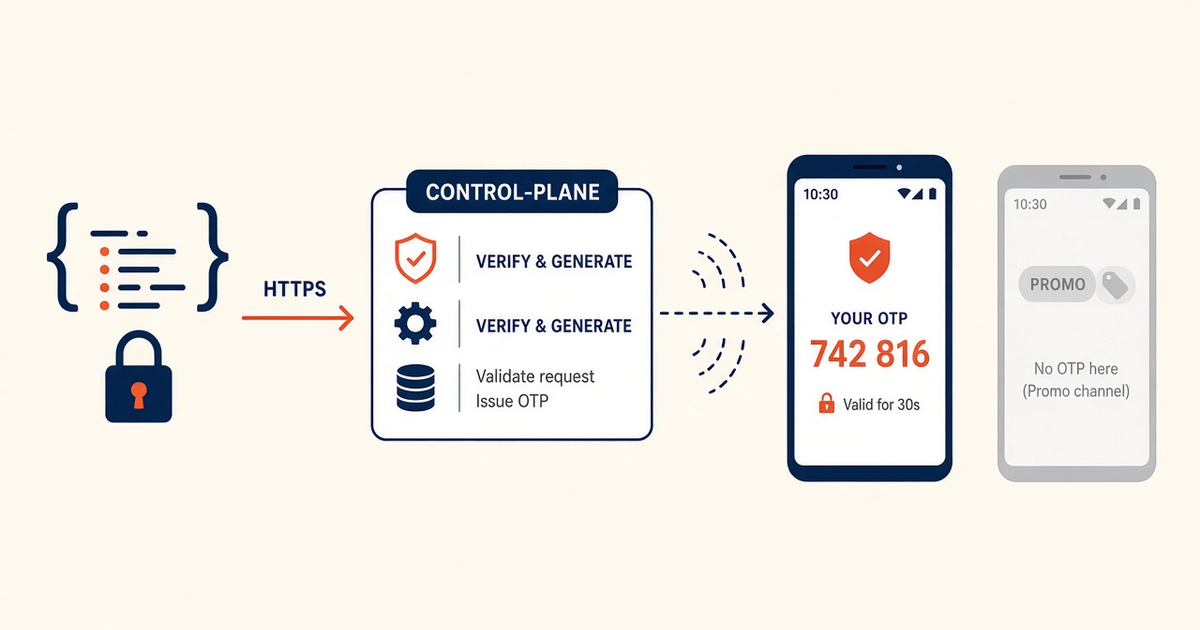
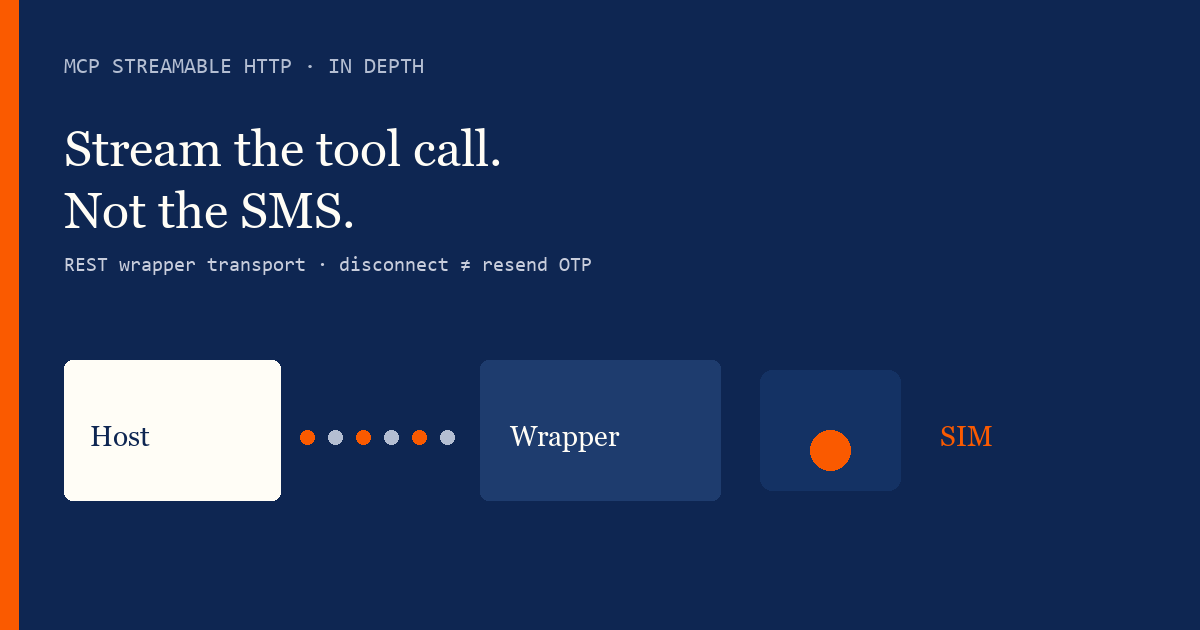
People type android sms gateway api for bulk sms when they want to leave the dashboard and drive a list from code. The honest version: your backend posts recipients, the control plane queues jobs, and Android radios on your SIMs transmit. Service pricing is based on device count and total SMS sent through the gateway.
Bulk is a paced queue into hardware you host. If you need someone else to own numbers, filtering, and 24/7 radio ops, you want an aggregator — not a faster curl loop.
Contrast that with Twilio-style per-message plus rented numbers on Twilio vs Android SMS gateway. Here you keep the MSISDN and the operator bill.
Three lanes: to[], campaigns, CSV
Do not invent /api/send-bulk-sms. The live surface is documented:
- API batch: several E.164 numbers in to on POST /messages.
- Contact lists: POST /campaigns when you are sending from stored lists.
- Panel CSV / Excel: column mapping in the web app on Professional/Business — see bulk SMS from Excel and CSV.
curl -X POST "https://app.sms-gateway.app/api/v1/messages" \
  -H "Authorization: Bearer $SMS_GATEWAY_API_KEY" \
  -H "Content-Type: application/json" \
  -H "Idempotency-Key: bulk-inv-1042" \
  -d '{"to":["+14155552671","+14155552672"],"text":"Hi — invoice INV-1042 of BDT 2,400 is due on 12 Aug.","type":"sms","dedupe":true}'

# Contact lists: POST https://app.sms-gateway.app/api/v1/campaigns (see https://docs.sms-gateway.app/).
# Panel CSV upload remains available for spreadsheet campaigns.
Field-for-field truth stays at docs.sms-gateway.app. Hub C’s API cornerstone is Android SMS gateway API; this spoke stays on bulk behavior.
Pace against the radio, not the HTTP client
Your language’s HTTP pool can outrun a modem in seconds. That is not a feature. Chunk the list, wait on DLR samples, then release the next slice. Raise OEM SMS rate ceilings where the device allows it — never as if operator and consent limits disappeared.
| Layer | Real limiter | If you ignore it |
|---|---|---|
| Your HTTP client | Timeouts, concurrency, backoff | Duplicate OTP / duplicate invoices when the first call was ambiguous |
| Control plane queue | Plan SMS volume + device assignment | Sends pause on Free/Developer when allowance is exhausted |
| Android OEM ceiling | Per-hour SMS caps some manufacturers ship | Silent drops or “queued forever” on that handset |
| Operator SMSC | Fair-use, spam filters, prepaid balance | Filtering, SIM block, surprise airtime bill |
| Recipient consent | STOP, quiet hours, lawful basis | Complaints, carrier flags, legal exposure |
CTIA and operator codes of conduct still apply on consumer SIMs in the US. Sudden volume on a quiet prepaid is how campaigns get filtered. Ramp new SIMs. Keep templates consistent. See CTIA messaging positions.
Consent, STOP, and list hygiene
Import is not consent. CSV columns should include source and consent timestamp, or you do not send. Honor STOP on the same number that sent the blast. Inbound handling is covered on auto-reply and STOP and bulk SMS use cases.
Quiet hours reduce complaints even when DLR looks green. Transactional invoices and marketing offers do not belong in one template.
Idempotency and retries
Timeouts are not proof of failure. Send an Idempotency-Key per logical blast (or per chunk) so a retried HTTP call does not double-text. Store that key next to the campaign id in your DB.
Watch delivery reports before you release chunk two. A 2% fail on chunk one is a pause, not a reason to 50× concurrency.
Which phones send the batch
Starter meters 2 devices; Professional meters 5. Split load with deviceIds or you will pin a 10k list onto one tired radio. OTP stays on a dedicated device — see the multi-device guide.
Failure modes worth budgeting
- Prepaid balance hits zero halfway through a campaign.
- OEM update resets battery exemptions overnight.
- One bad column mapping sends “Hello {{name}}” to 4,000 people.
- Webhook endpoint 500s, so your CRM thinks nobody got the text.
- You used a public API key in a GitHub Action — rotate; see API keys in env.
Airtime for retries belongs in the finance model. Failed submits are not free just because the recipient never saw a bubble.
Bulk launch checklist
- Consent column audited; suppression list applied before upload.
- Staff canary of 10, then 5% slice, then remainder.
- OTP radios isolated.
- Idempotency keys in the worker.
- On-call named for airtime top-up.
- Rollback: stop the worker, do not “retry the whole CSV.”
Next steps
Pair a test device from setup, send a two-recipient to[] canary, then decide whether the panel CSV lane or /campaigns fits the team. Compare device and volume pricing before you size the fleet.
Related product pages
Jump to the live product docs for this topic—not another long-form article.
- bulk SMS from Excel and CSVSpreadsheet campaigns
- bulk SMS with consent best practicesHigh-volume outreach
- SMS API documentationLive endpoint reference
- device and SMS volume pricingPlans and allowances