
Key Takeaways
- The gateway is transport. Consent, templates, and opt-out records are yours — even when SMS leaves a phone you own.
- Isolate OTP SIMs from marketing. Shared MSISDNs make STOP and sender reputation a single failure domain.
- Keys stay on the server. Webhook signatures get verified. OTP bodies stay out of tickets.
- A spare charged phone is an availability control, not a legal one — but questionnaires will still ask how you fail over.
- Pricing is devices plus send volume. You fund operator airtime. Free is 300 SMS lifetime.
An android sms gateway compliance checklist is what security and legal send after they notice OTP leaving a drawer phone. They want a list they can tick. This is that list for operators who run Android SIMs — not a certificate, not a SOC 2 badge, not a substitute for counsel in your market.
Hub A stays on the subtopic. Product shape: how an Android SMS gateway works. Acceptable use: acceptable use. You bring the handset and airtime.
- Consent record exists for this program
- STOP lands in the same store the sender reads
- OTP SIM is not the promo SIM
What this checklist is (and is not)
It is operational hygiene for a SIM path: consent, identity, keys, retention, handset control. It is not a claim that SMS Gateway is certified for every regulator. If a sales script needs stronger language, use the trust-center copy your counsel approved — not this article.
Compliance on a handset gateway is mostly boring: who said yes, who said stop, which phone sent, and who can still read the log.
The working list
| Area | Done looks like | Common miss |
|---|---|---|
| Consent | Timestamp, source, program, language | Bought list with a shrug |
| STOP | Inbound webhook → suppression unique on E.164 | Keyword only in the phone SMS app |
| Sender identity | Customers know the MSISDN; OTP ≠ promo SIM | One tray for everything |
| Templates | Registered where required (e.g. DLT); one-segment OTP | Emoji + URL in a login code |
| Access | API keys in a vault; no key in a mobile app | Key in a GitHub gist “just for staging” |
| Retention | Written periods; OTP bodies redacted | Forever CSV on a laptop |
| Device | Dedicated user, battery exemption, last-seen alerts | Daily-driver with a work profile |
Consent, STOP, and identity
Record what the person agreed to. Promotional bulk needs a higher bar than a password reset the user just requested. STOP handling: auto-reply and STOP · blacklist management.
India-style template registration is a geo overlay, not a global default. Start from the country page (for example India) and DLT in this product’s context.
Data, access, and keys
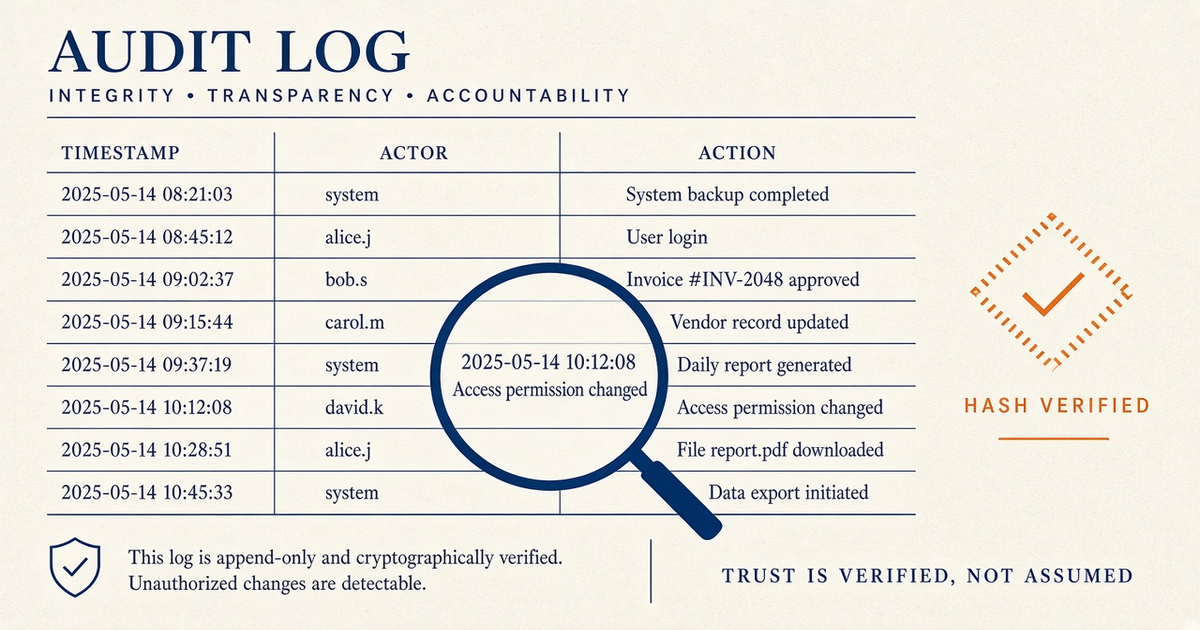
Minimize bodies in logs. Prefer message ids in tickets. Audit logs · data retention. Keys: API keys in env. GDPR-minded handling: GDPR-minded data handling.
Webhooks: verify HMAC, reject stale timestamps. Docs: Developer Center.
Handset operations
Dedicated device, charged, un-killed by OEM battery savers, no work-profile SMS sandbox. Spare phone documented. Pairing after staff change. These are availability and integrity controls. Setup · multiple profiles caution.
Country overlays
US, UK, EU, IN, BD, ID, PK do not share one consent statute. Use geo spokes instead of copy-pasting TCPA language onto a Dhaka SIM. USA: SMS gateway for the USA.
Honest cost language
Do not tell legal that “SMS is unlimited.” Platform send volume is uncapped on Starter / Professional / Business; devices still cap at 2 / 5 / 15; carrier fair-use still applies; you still buy airtime. Free: 300 SMS lifetime. Developer: 25,000 SMS per year. Pause when those allowances run out.
Pricing page: pricing.
Next steps
Print the table, assign an owner per row, canary STOP and a staff OTP this week. App: downloads.
Related product pages
Jump to the live product docs for this topic—not another long-form article.
- device and SMS volume pricingPlans and allowances
- Security and Trust CenterCompliance and posture
- Android SMS gateway product guideDefinition, product, and how to buy
- SMS API documentationLive endpoint reference